Is Bladder Leakage An Indicator Of Perimenopause?
Navigating via menopausal symptoms can feel frustrating, particularly when it seems like barriers stand in the way of obtaining the care you need. A 2024 pelvic wellness research study checked 612 ladies ages and checked out the occurrence of pelvic wellness symptoms and the gaps in the care they look for and get. Menopause marks a considerable shift in a lady's life, with its selection of signs and symptoms often causing inquiries concerning their origin. Amongst these signs, urinary incontinence can be specifically discouraging, leaving females to ask yourself if menopause causes urinary incontinence. Allow's delve into the connection between menopause and urinary incontinence, unmasking misconceptions and providing practical solutions for handling and alleviating your signs.Each type of urinary incontinence has various causes and administration techniques. A 2011 research goes over exactly how estrogen plays a key duty in maintaining our vaginal areas and urinary system tracts healthy and balanced. Your vaginal canal and bladders have their very own respective microbiomes that keep a balance of "good" and "negative" bacteria. Bladder control problems are extremely usual for females in menopause, however it is a treatable condition.
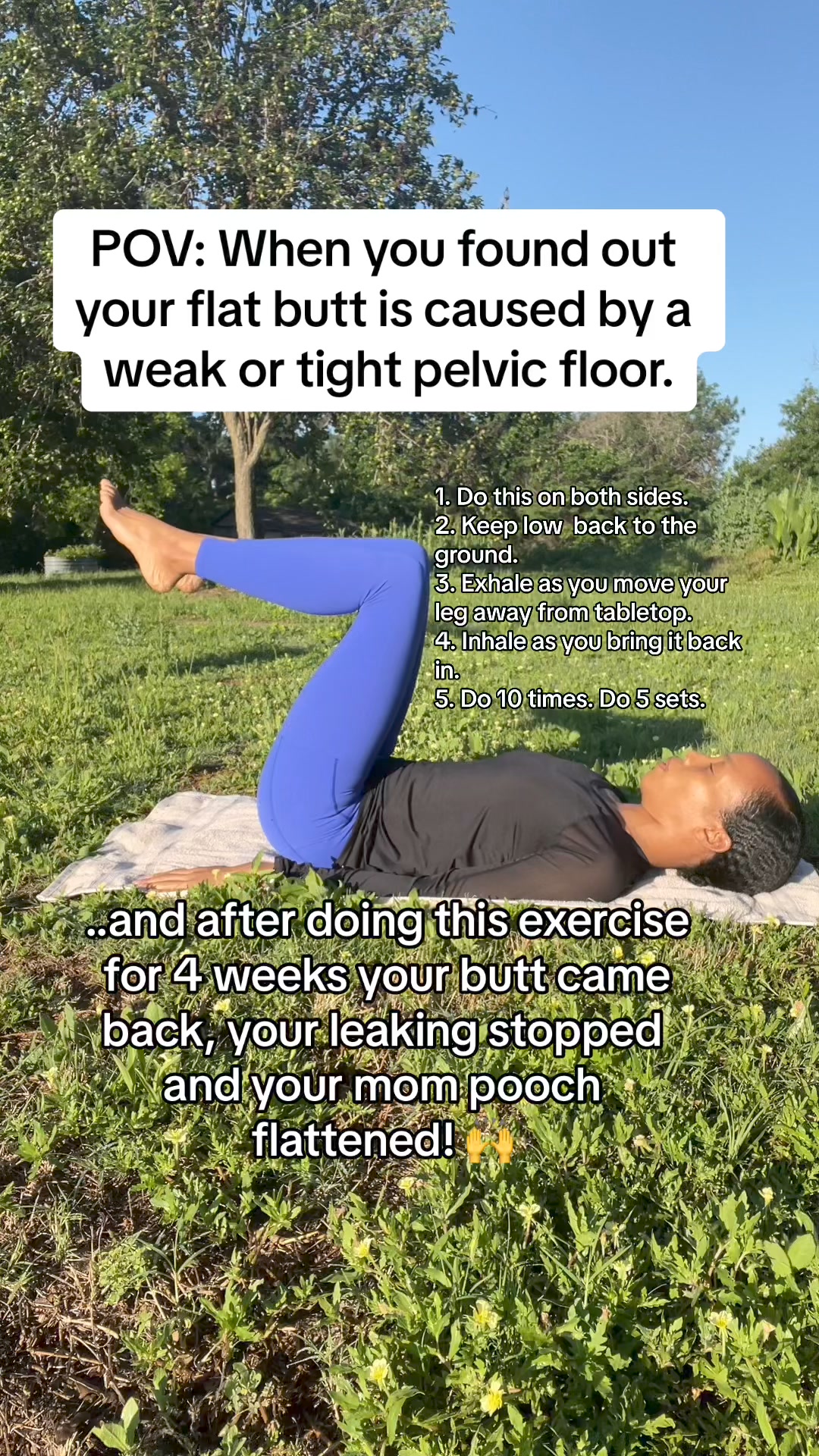
For instance, you could just leak a couple of drops of pee when you laugh, exercise, cough, or get hefty things. Or you might experience a sudden impulse to urinate and be not able to maintain it in prior to getting to the bathroom, causing an accident. While urinary system incontinence can affect people of any ages, it's especially usual in women because of factors like pregnancy, giving birth, menopause, aging, and hormone adjustments.
Menopause And Incontinence
Be patient as you collaborate with your doctor or nurse on a therapy strategy. It might take a month or longer for various treatments to begin functioning. Urinary incontinence might come to be much more usual as you age, however that doesn't imply it's a regular component of aging or an appropriate sign of menopause. Urinary system incontinence is never ever regular, and while menopause can contribute, we can certainly treat those unpleasant signs and symptoms.
Accessibility Glp-1 Weight Management With Noom
We're efficiently obstructing the circulation of pee and stopping complete clearing. This leads to extra and unneeded stress and anxiety on our pelvic floor muscles and our bladder. Taking magnesium and vitamin D is likewise shown to aid signs of urinary system incontinence, however use of these supplements must be gone Lifestyle modification over with your healthcare provider ahead of time. Typical types consist of anxiety incontinence, desire incontinence, mixed urinary incontinence, and overflow urinary incontinence.
Menopause is not the only factor to consider when searching for a root cause of urinary system incontinence. Let's be clear, it is not an unavoidable component of aging and shouldn't be thought about regular or just accepted. If your pelvic flooring isn't working together, you're likely experiencing any kind of number of excruciating or awkward symptoms. When you start taking a GLP-1 drug like Ozempic, it's regular to feel most delighted regarding outcomes like much better blood sugar control and reaching your weight reduction objectives.For instance, estrogen aids maintain the bladder and urinary system system tissue healthy, preserving a flexible top quality that promotes normal feature. During menopause, the decrease in estrogen causes these tissues to slim and compromise. In time, these modifications make it more challenging to control urine flow, increasing the risk of pee leak or urinary incontinence. Clients often ask if fluctuations in male hormones influence their washroom routines, and the response is of course. Adjustments in testosterone degrees can trigger significant urinary issues in males as they age.

- Upon essential evaluation of the titles and abstracts of the continuing to be 442 studies, 384 posts were deemed ineligible and turned down.Several females report sensations of shame, stress and anxiety, and social isolation pertaining to their problem.They might refer you to a professional called a urogynecologist or urologist, if you need a lot more invasive screening or treatments.